
















Bank Rate Rise 2026: What 4% Means For Savers And Investors
The Bank of England raised Bank Rate from 3.75% to 4% on 5 November 2026, the first increase since August 2023. Here is what the decision actually reaches…
7 min readRead guide

Broker reviews
Choose a UK investing platform
Our top picks
Not sure which platform suits you?
Answer a few questions and see which UK platforms fit your goals.
Broker reviews
Choose a UK investing platform
 eToro
 IG
 Interactive Brokers
 Freetrade
 Vanguard UK
 Trading 212
 AJ Bell
 Trading.com
 Lightyear
 Webull UK
 XTB UK
 Robinhood UK
 Hargreaves Lansdown
 Interactive Investor
 InvestEngine
Every review covers fees, account types, safety and FCA regulation, and is updated as providers change their pricing.
Knowledge hub
Guides for UK investors
Topics
Ready to start investing?
Answer a few questions and see which UK platforms fit your goals.
Free guides for UK investors
Plain-English guides to ISAs, pensions and investing, plus calm market updates that explain what the headlines mean for your money.
The Bank of England raised Bank Rate from 3.75% to 4% on 5 November 2026, the first increase since August 2023. Here is what the decision actually reaches…

Jensen Huang, who co-founded Nvidia in 1993 and ran it for 33 years, resigned as president and chief executive on Thursday 12 November 2026, with immediate effect. The…

The two year rule that could turn a tax free inherited pension into taxable income ended on 28 October 2026. From 6 April 2027, most unused pension funds…

On 3 November 2026 the Department for Work and Pensions opened a consultation that would change the moment most people meet their pension pot for the first time.…
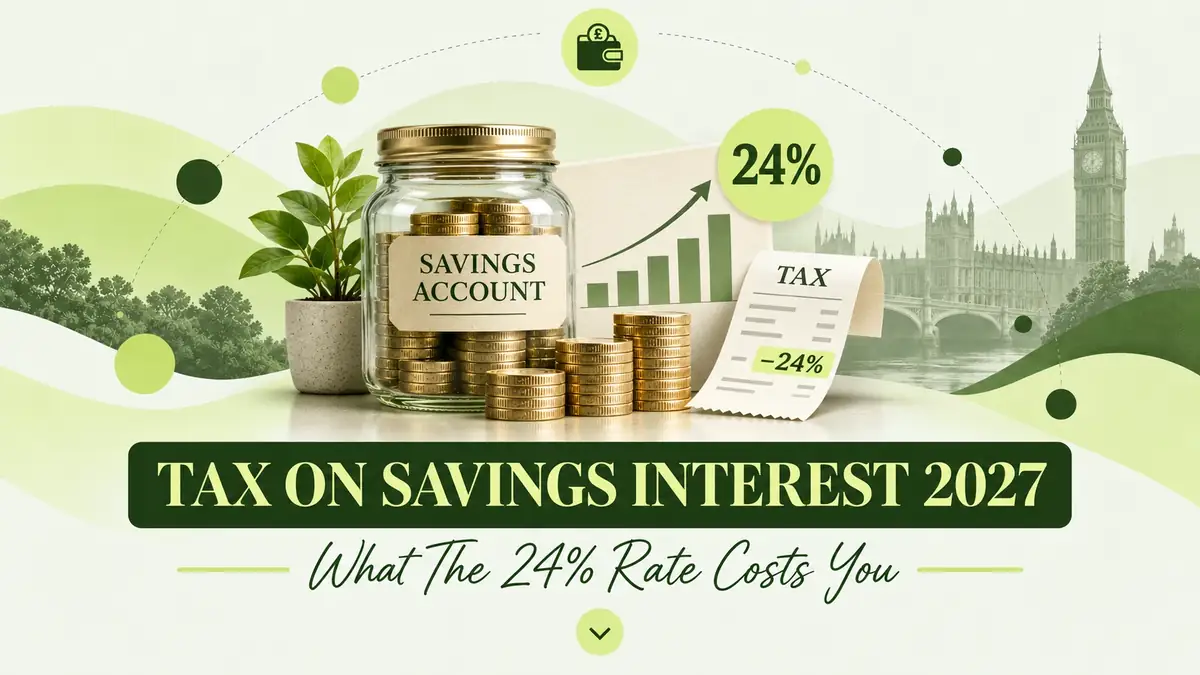
The tax on savings interest is rising twice over, and both increases land on the same day. From 6 April 2027, interest earned outside an ISA will be…

The First Time Buyer ISA is the account the government wants to put in place of the Lifetime ISA. HM Treasury set out its design in a consultation…

UK inflation rose to 3.5% in the year to September 2026, up from 3.1% in August, according to figures published by the Office for National Statistics on 21…
Becoming an ISA millionaire sounds like something that happens to other people. The most recent figures suggest it is becoming less unusual. An estimated 7,730 people in the…

Lost pension pots are now a measured national problem rather than a vague worry. Research published on 12 October 2026 by the Pensions Policy Institute, sponsored by the…
UK government borrowing costs hit a 28 year high in early October 2026, and the part of that story most likely to touch your own money is not…

Reported sums stolen through hacked email and social media accounts in the UK rose from £1.2 million to £6.3 million in a single financial year, an increase of…

Plenty of UK investors expect to spend part of their life somewhere else, whether that is a few years on an overseas posting or a permanent move once…
Answer a few questions and see which UK platforms fit your goals.
Everything to read before you put your first pound into the market, sent to your inbox.
Get the free guide Dimitar KanazirskiFounder and Editor-in-chief
 David KatzarovEditor
The YourWalletManager Knowledge Hub brings together every guide we publish for UK investors. Start with the basics in Investing, learn how to make the most of your tax-free allowance in ISAs, or catch up on what the latest economic news means for your money in Market Updates.
Every article is written in plain English, and we base our guides on official sources such as GOV.UK, the FCA and providers' own published documents wherever possible. Our guides are for general information only and are not personal financial advice. Investing puts your capital at risk, and you may get back less than you invest.
Short answers to the questions readers ask most.
Start with the basics, such as what a share and an ETF are, then read how ISAs work before you compare platforms. Our Find your broker tool can narrow down the platforms that fit your goals.
No. Our guides are general information to help you understand your options. They do not take your personal circumstances into account. If you need a personal recommendation, speak to a regulated financial adviser.
If an FCA-authorised platform fails, your investments should be held separately from the firm's own money. If anything is missing, the Financial Services Compensation Scheme (FSCS) can usually pay up to £85,000 per person. Cash held with a bank is covered up to £120,000 per person, per bank. FSCS cover does not protect you if your investments fall in value.
Sometimes. Some platforms pay us a commission when a reader opens an account through one of our links. It costs you nothing extra, and it never decides what our guides say or how we rank providers.
We take figures from official sources such as GOV.UK, HMRC and the FCA, and from providers' own published pages and documents. When a figure comes from anywhere else, we say so. Our review methodology page explains how we research and check our content.
We publish new guides every week and revisit existing guides when rules or figures change. Each card shows the date the guide was published.